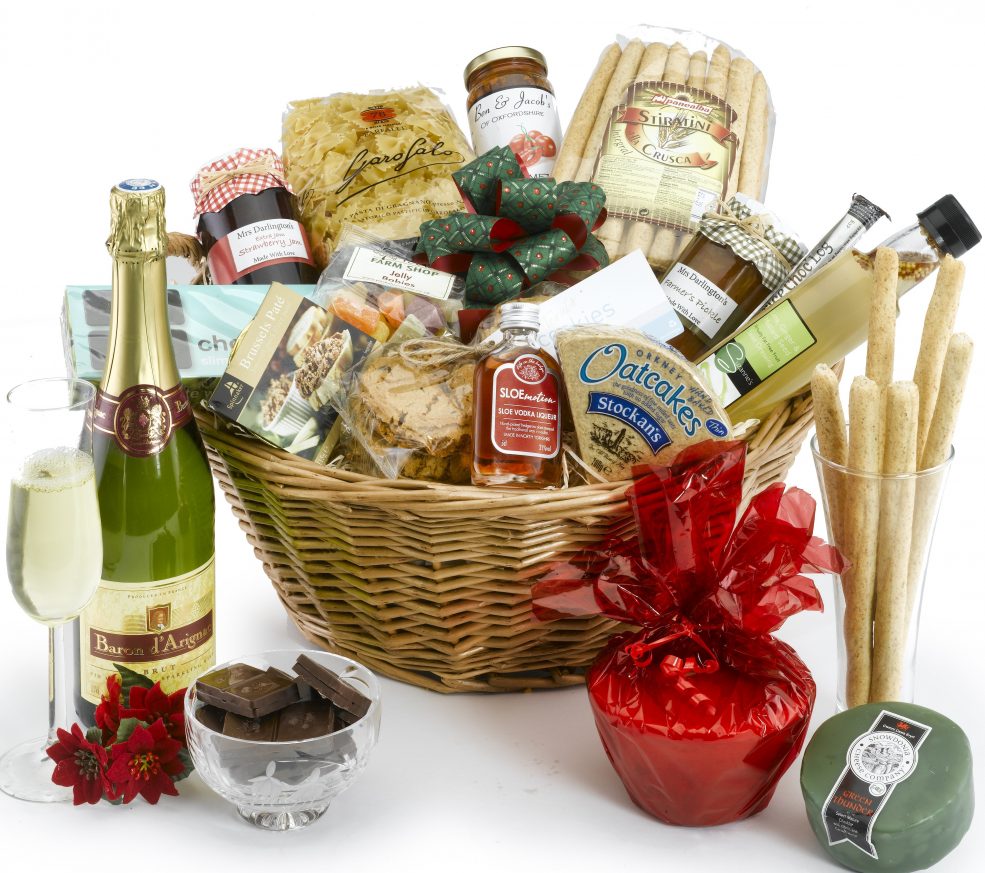
When a gift arrives wrapped in a sleek, eye‑catching hamper, it’s not just the contents that make an impact—it’s the packaging itself. In a world where first impressions count as much as the product inside, premium hamper packaging that impresses can turn an ordinary gesture into an unforgettable experience. This guide explores why packaging matters, how to choose the right style, and practical tips to elevate your hamper from “nice” to “wow.”
Why Packaging Is More Than Just a Pretty Wrapper
Imagine receiving a bouquet of flowers. If the bouquet is tangled and the paper is crinkled, the scent might still be lovely, but the overall experience feels sloppy. Conversely, a beautifully arranged hamper signals thoughtfulness and care. Packaging serves several key purposes:
- Protection – Keeps fragile items safe during transport. Branding – Reinforces brand identity and adds a touch of luxury. Emotional Appeal – Sets the tone before the gift is even opened. Convenience – Makes gifting easier for both sender and recipient.
A well‑designed hamper can convey a story, echoing the recipient’s tastes or the occasion’s theme. As Maya Angelou once said, “People will forget what you said, but they’ll never forget how you made them feel.” Packaging is the first “how you made them feel.”
Choosing the Right Hamper Style
The style of hamper you pick sets the stage for everything that follows. Here are the most common types, each with its own https://www.scribd.com/document/1001983335/Problems-with-Limited-Stock-of-Australian-Luxury-Hampers-What-You-Need-to-Know-228937 personality.
Classic Wooden Crates
- Aged wood gives a rustic, timeless vibe. Ideal for gourmet food baskets or wine collections. Often features a hinged lid for a dramatic reveal.
Modern Totes
- Sleek, minimalistic designs in neutral colors. Perfect for tech gadgets, spa kits, or chic office supplies. Lightweight and reusable, appealing to eco‑conscious buyers.
Luxury Linens
- Soft, high‑quality fabrics like linen or velvet. Adds a tactile sense of luxury. Great for beauty products, scented candles, or premium chocolates.
Themed Boxes
- Custom graphics or patterns that match the occasion. Personalization options: monograms, special messages. Works well for birthdays, anniversaries, or corporate gifts.
When selecting a hamper, ask yourself: What story do I want to tell? The answer will guide you toward the right shape, material, and finish.
Key Elements of Premium Packaging That Impress
Even the most elegant hamper can fall flat without attention to detail. Here’s what to focus on:
1. Quality Materials
- Sturdy cardboard or reinforced wood for durability. Water‑resistant linings to protect delicate items. Premium paper or fabric for a luxurious feel.
2. Finishing Touches
- Wax seals or foil stamping for a regal touch. Embossed logos that catch the light. Hand‑stitched or laser‑cut designs for unique flair.
3. Color Harmony
- Monochrome palettes convey sophistication. Bold accent colors can highlight a specific product. Seasonal hues (e.g., deep greens for Christmas) add relevance.
4. Functional Design
- Dividers or compartments keep items organized. Easy‑open mechanisms reduce frustration. Reusability appeals to eco‑friendly customers.
5. Personalization
- Custom messages on a ribbon or tag. Name embossing for a personal touch. Custom scent inside the packaging to surprise the senses.
How to Assemble a Hamper That Stands Out
Let’s walk through a step‑by‑step process that ensures every detail shines.
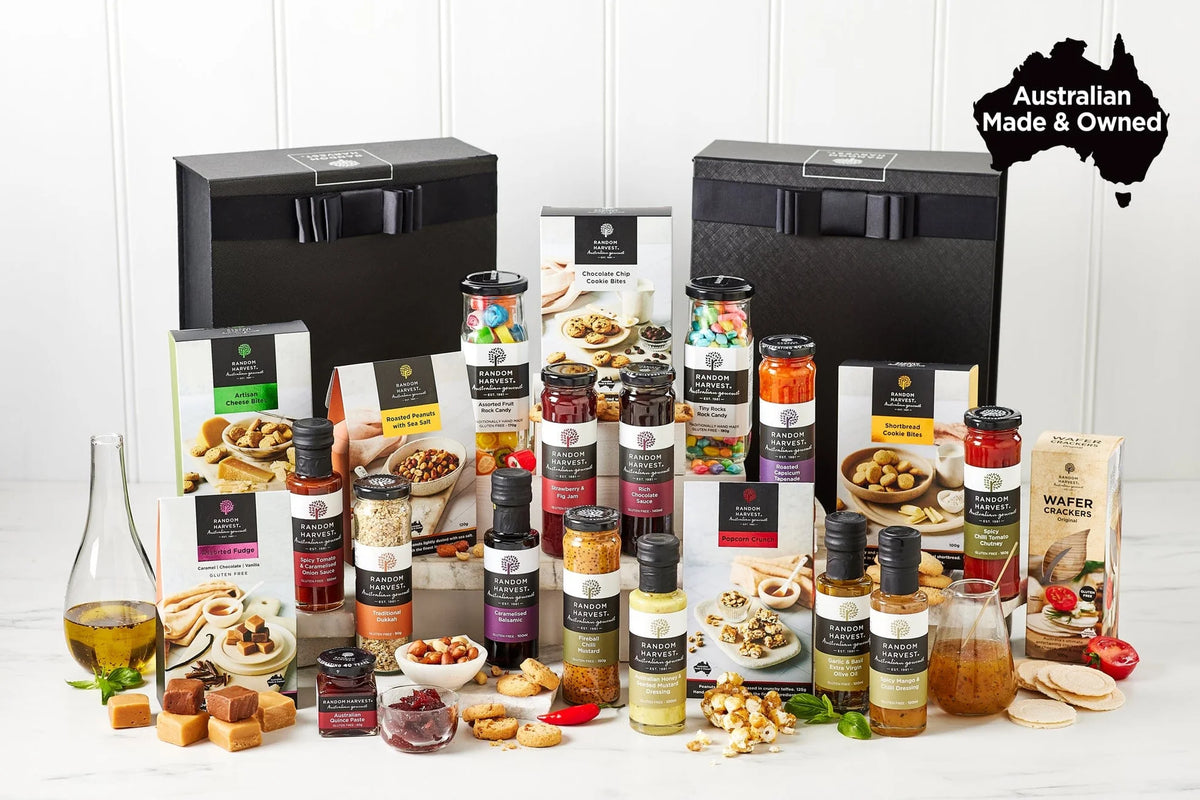
Step 1: Curate the Contents
- Pick items that complement each other. Keep a balance between function and indulgence. Use a color wheel to ensure visual harmony.
Step 2: Layer Thoughtfully
- Place heavier items at the bottom. Use soft materials (e.g., tissue paper) to cushion fragile pieces. Leave a small space at the top for a final flourish.
Step 3: Add a Signature Touch
- A handwritten note or a small, branded card. A scented sachet that matches the gift’s theme. A decorative ribbon that ties the whole look together.
Step 4: Secure and Seal
- Use high‑strength tape or glue that won’t leave residue. Add a wax seal or a branded sticker for authenticity. Ensure the lid is firmly closed and easy to open.
Step 5: Final Inspection
- Check for any visible flaws. Test the opening mechanism. Take a photo to document the finished look.
Common Mistakes to Avoid
Even seasoned gift givers can slip View website into these pitfalls:
- Overloading the hamper – Less can be more; clutter defeats elegance. Ignoring the weight distribution – A top-heavy hamper may tip over. Choosing generic packaging – Personal touches matter. Neglecting sustainability – Eco‑friendly materials resonate with modern buyers.
A Quick Anecdote
I once helped a client prepare a hamper for a high‑profile client. We chose a sleek, dark‑wood crate with a custom monogram. When the client opened it, their eyes widened—not just at the contents, but at the impeccable presentation. They later sent a thank‑you note that said, “Your attention to detail made our partnership feel like a well‑curated collection.” That moment reminded me that packaging is not just about aesthetics; it’s a silent ambassador for your brand.
Rhetorical Questions to Ponder
- What if the packaging could speak louder than the gift itself? Could a simple tweak—like a ribbon color—transform the entire experience? How much more will a recipient value a hamper that feels like a treasure chest?
The Final Touch: Making Your Selection Count
Choosing premium hamper packaging that impresses isn’t a one‑size‑fits‑all endeavor. It’s a blend of art, strategy, and a dash of personality. Whether you’re sending a corporate gift, a birthday surprise, or a thank‑you token, the right packaging turns a good gesture into a memorable moment.
Remember, the packaging is the first page of your gift’s story. Write it with care, and the rest of the narrative will follow naturally. If you’re ready to elevate your gifting game, explore the options above and let your next hamper speak volumes—without saying a word.